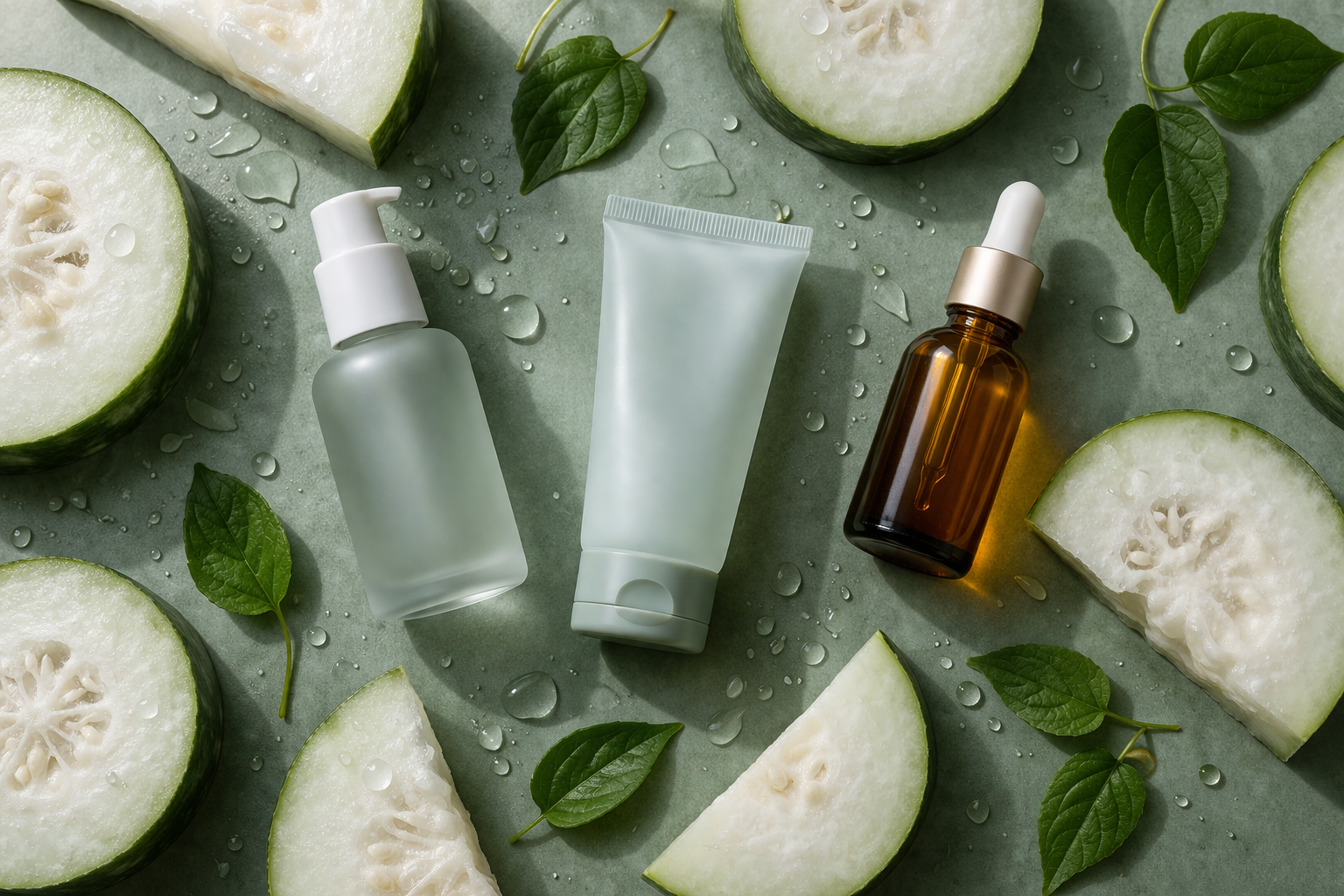
Cocoon’s Winter Melon SPF line is the brand’s most internationally discussed product – it appears in K-beauty communities, SPF forums, and Vietnamese skincare discussions with unusual consistency for a brand with limited Western distribution. The question worth answering before buying is whether the filter stack and texture actually hold up against the Korean and Japanese sunscreens it’s routinely compared to.
This review covers what’s in the formula, how it performs in humid tropical conditions, and an honest comparison with Bioré UV Aqua Rich Watery Essence – the K-beauty benchmark most buyers are considering alongside it.
Fast track:
- Which product to buy → Three versions explained
- Filter analysis → What the SPF actually does
- Performance in humidity → Texture and wear test
- vs. Bioré UV Aqua Rich → The comparison
- Where to buy → Availability and pricing
Three Versions: Which One Are You Actually Buying?
This is the most common source of confusion for international buyers. Cocoon makes three distinct Winter Melon SPF products, and they are not interchangeable.
Winter Melon Sunscreen SPF 50+ PA++++ – the original, 36-ingredient formula. This is the product most referenced in SkinSort routines and Vietnamese beauty communities. It’s the one that built the brand’s SPF reputation. It has been periodically out of stock on cocoonoriginal.com (the US storefront), particularly the 50 ml size.
Winter Melon Sun Fluid SPF 50+ PA++++ – the current flagship, released as an evolution of the original. 46 ingredients, 7 premium UV filters, independently tested at HelioScreen France (SPF 56.1 measured, UVA-PF 62.6 measured). This is what’s reliably in stock internationally as of early 2026. EcoSun Pass certified – environmentally friendly reef-safe (oxybenzone and octinoxate free).
Winter Melon Sunscreen Milk – a third variant with titanium dioxide added to the formula, giving it more of a physical/hybrid profile. Less discussed internationally; available primarily in Vietnam.
Which one to buy: If you’re ordering from cocoonoriginal.com or Amazon, you’ll most likely receive the Sun Fluid – it’s the current primary listing. The original sunscreen occasionally returns to stock. This review covers both the original sunscreen and the Sun Fluid, noting where they differ.
What the SPF Actually Does: Filter Analysis
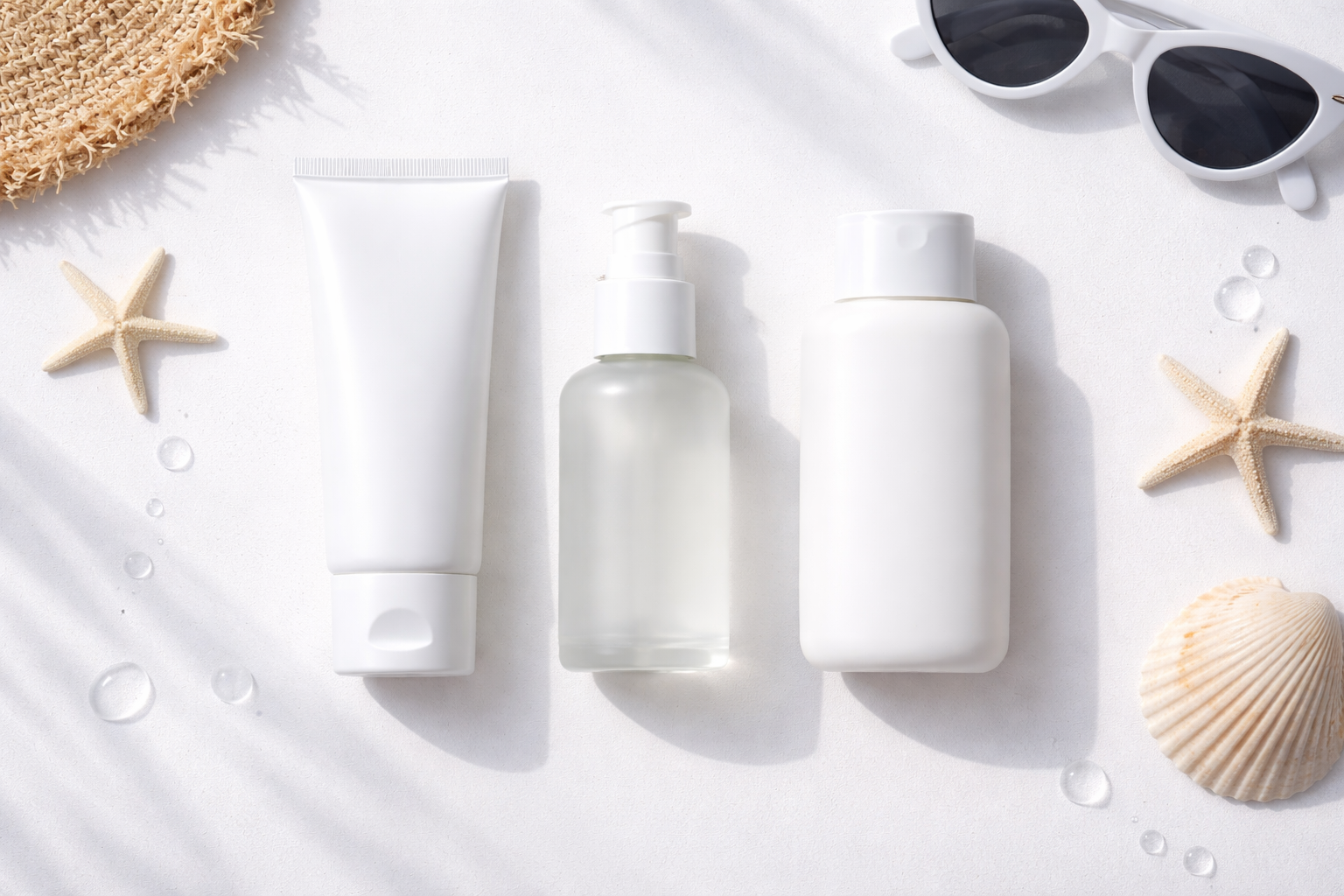
The filter stack is the most technically interesting thing about both Cocoon Winter Melon products – and it’s the reason they get taken seriously by people who know SPF chemistry.
Original Winter Melon Sunscreen – Filter Profile
The original sunscreen uses a primarily silicone-based formula with the following UV filters: Tinosorb S (Bis-Ethylhexyloxyphenol Methoxyphenyl Triazine), Butyloctyl Salicylate, Tris-Biphenyl Triazine, Ethylhexyl Triazone, Butyl Methoxydibenzoylmethane (Avobenzone), Diethylamino Hydroxybenzoyl Hexyl Benzoate (Uvinul A Plus), and Ethylhexyl Methoxycrylene.
Key filters to know:
Tinosorb S – widely considered one of the most effective UV absorbers available. Covers both UVA and UVB (peak absorption at 310nm and 340nm), highly photostable. Not approved in the US due to FDA inertia; approved in the EU, Asia, and Australia. Its presence alone puts this formula ahead of most US-sold sunscreens.
Tris-Biphenyl Triazine – the most efficient UVB and UVA2 filter currently available. Covers the 320–340 nm range that many filters miss, bridging a common coverage gap.
Uvinul A Plus (DHHB) – new generation UVA filter covering the entire UVA range (320–400nm) with excellent photostability. Not available in the US.
Supporting ingredients: niacinamide (oil control, barrier support), Tetrahexyldecyl Ascorbate (oil-soluble vitamin C derivative, antioxidant), and tocopherol (vitamin E, antioxidant). The formula includes functional actives alongside UV protection – not just a sunscreen vehicle.
Sun Fluid – Filter Profile (7 Filters)
The Sun Fluid uses: Tinosorb M, Neo Heliopan AP, Uvinul A Plus, Tinosorb A2B, Eclipsogen EHT, Eclipsogen Sorb S, and Parsol 1789 (Avobenzone).
Tinosorb M – the water-soluble counterpart to Tinosorb S. Hybrid physical/chemical filter, covers UVB through UVA1 range. The “M” version works better in water-in-oil emulsion systems.
Neo Heliopan AP – UVA2 filter, water-soluble, works synergistically with oil-soluble UVB filters to improve overall coverage.
Tinosorb A2B – the newest addition to the Tinosorb family. Bridges the UVA2 gap (320–340 nm) that many formulas miss.
Eclipsogen EHT and Eclipsogen Sorb S – newer generation filters, both photostable, covering complementary UV ranges.
The Sun Fluid additionally includes Synoxyl AZ (a potent antioxidant extracted from ginger root that neutralizes multiple free radical types) and melanin (protects against HEV/blue light – relevant for anyone in front of screens or in high visible-light environments).
Bottom line on filters: both products use filter combinations that are genuinely ahead of what’s available in the US market and competitive with the best Korean and Japanese formulas. The Sun Fluid’s 7-filter stack with Tinosorb M is more comprehensive than the original; the original’s silicone base gives it a different texture profile.
Texture and Performance in Humid Weather
Original Winter Melon Sunscreen
Texture: Silicone-forward. The Cyclopentasiloxane base gives it the smooth, fast-absorbing texture that made it popular. It applies like a primer – spreads easily, minimal drag, and sets quickly. The Silica and Methyl Methacrylate Crosspolymer provide oil-absorbing and mattifying properties after dry-down.
Finish: Matte to natural. One of the genuinely matte-finishing chemical sunscreens – rare, and relevant for oily skin in humidity.
In tropical weather: The silicone base performs well in humidity because silicones don’t absorb water – the formula doesn’t change texture when you sweat. The Silica absorbs sebum without caking. For oily skin in 35 °C+ conditions, this formula is well-suited.
Reapplication: The silicone base can pill if applied over a previous layer that hasn’t fully set. Let it sit for 90 seconds before reapplying. Over bare skin or after blotting, reapplication is clean.
White cast: Minimal. No mineral filters in this formula – pure chemical SPF gives a transparent finish across skin tones.
Sun Fluid
Texture: Lighter, more fluid than the original. The formula is less silicone-dominant, with a water-forward feel that applies like a lightweight lotion. Absorbs slightly faster than the original.
Finish: Natural to slightly dewy. Less mattifying than the original sunscreen – if your skin is very oily, the original (when in stock) may give better midday oil control.
In tropical weather: The lighter texture makes initial application more comfortable in heat. The water resistance (80 minutes, tested at SGS France) is relevant for sweat-heavy conditions.
Eye comfort: Tested at Eurofins Australia as eye-friendly – a meaningful certification for a product you’re applying near the orbital area daily and reapplying in heat.
Cocoon Winter Melon vs. Bioré UV Aqua Rich Watery Essence
This is the comparison most buyers are making. Both are popular, both are gel-texture Asian sunscreens, and both get discussed in the same SPF forums. The honest breakdown:
Filter stack: The original Cocoon Sunscreen and the Sun Fluid both use more filters than Bioré UV Aqua Rich (which primarily uses Tinosorb S and Uvinul T 150). Both approaches are effective – Bioré’s is simpler, and Cocoon’s is more comprehensive. Neither is meaningfully better for everyday compliance; both give broad-spectrum SPF 50+ protection.
Texture: Bioré UV Aqua Rich is genuinely more “watery” – a near-liquid essence texture that disappears into skin faster than either Cocoon formula. For makeup wearers who want SPF to feel like water, Bioré wins on texture elegance. For oily skin that needs a matte finish, the original Cocoon Sunscreen matches or beats Bioré.
White cast on deeper skin tones: Both are chemical-dominant – minimal white cast risk. Bioré occasionally shows a faint initial cast from Tinosorb M that clears on absorption; the Cocoon original is fully transparent on application.
Price internationally: Comparable. Bioré UV Aqua Rich is approximately $10–18 USD via Asian beauty retailers. Cocoon Sun Fluid is $32–47 USD via cocoonoriginal.com. At international prices, Bioré is significantly cheaper for similar protection levels. The Cocoon premium is justified by the more comprehensive filter stack, the EcoSun Pass certification, and the brand’s Vietnamese origin – not by pure SPF performance difference.
Reapplication behavior: Both reapply cleanly over bare skin. Bioré is easier to layer over makeup due to its ultra-thin texture; Cocoon requires slightly more care to avoid pilling.
The honest verdict: For a reader choosing between the two, Bioré wins on price and texture elegance; Cocoon wins on filter breadth, environmental certification, and ingredient story. If you’re in Vietnam at local prices (~280,000–320,000 VND / ~$11–13 USD), Cocoon is an outstanding value and the clear choice. At US storefront prices, you’re paying a meaningful premium, and the decision depends on what you value beyond pure SPF numbers.
For a broader comparison of humid-weather sunscreens, including Anessa and Beauty of Joseon, see Best Sunscreens for Humid Weather
How to Use It
Application amount: Two fingers’ worth (the standard SPF dosing guideline) for face and neck. Under-application is the most common SPF error – the SPF number on the label is only achieved at full dose.
Timing: Apply as the final skincare step before makeup, 15 minutes before sun exposure. In tropical conditions where you’re going straight from indoors to outdoors, apply at least 5 minutes before stepping out.
Reapplication: Every two hours in direct sun or outdoor conditions, or after swimming/sweating. On a predominantly indoor day with brief outdoor exposure, midday reapplication is still recommended, but the interval can extend to three hours.
Removal: Both formulas contain silicone. Use an oil-based cleanser or double cleanse at the end of the day to fully remove it. Water-only washing doesn’t remove silicone-based SPF effectively.
Where to Buy and What to Pay
Inside Vietnam: Watsons, Guardian, official Shopee/Lazada storefront. Approximate retail: 280,000–320,000 VND (~$11–13 USD) for the Sun Fluid, similar for the original Sunscreen when available.
Outside Vietnam:
- cocoonoriginal.com – Sun Fluid: $32–47 USD (currently in stock). Original Sunscreen: periodically available.
- Amazon “Cocoon Original Official Store” – similar pricing to cocoonoriginal.com.
- Europe: No direct shipping. Forwarding services from the US store or group buys via Vietnamese community networks.
Full buying guide: Where to Buy Vietnamese Skincare and Avoid Fakes
FAQ
Is the Sun Fluid the same as the original Winter Melon Sunscreen? No – different formula. The Sun Fluid has 46 ingredients and 7 filters; the original has 36 ingredients and a different filter combination. The Sun Fluid is lighter in texture and water-forward; the original is more silicone-dominant and more mattifying. Both are excellent; oily skin may prefer the original’s finish if available.
Does Cocoon Winter Melon Sunscreen leave a white cast? No. Both versions use chemical-only UV filters (no titanium dioxide or zinc oxide in the original or Sun Fluid). The finish is transparent across skin tones. The Sunscreen Milk variant does include titanium dioxide and may show more cast – avoid it if white cast is a concern.
Is it safe to use under the eyes? The Sun Fluid is tested and certified as eye-friendly by Eurofins Australia. The original sunscreen has not listed this specific certification, though it contains no known eye irritants at standard cosmetic concentrations. Apply close to but not directly in the orbital rim for both.
Does it work under makeup? Yes, for both versions. The original sunscreen’s silicone base gives it primer-like properties. The Sun Fluid’s lighter texture layers cleanly under foundation. Let either formula set for 90 seconds before applying makeup on top.