Shan tea Vietnamese skincare brands use is not the same green tea extract you’ll find in most global products. The ingredient is real and well-documented. It is also largely interchangeable between brands.
Hoa Trà Shan is different.
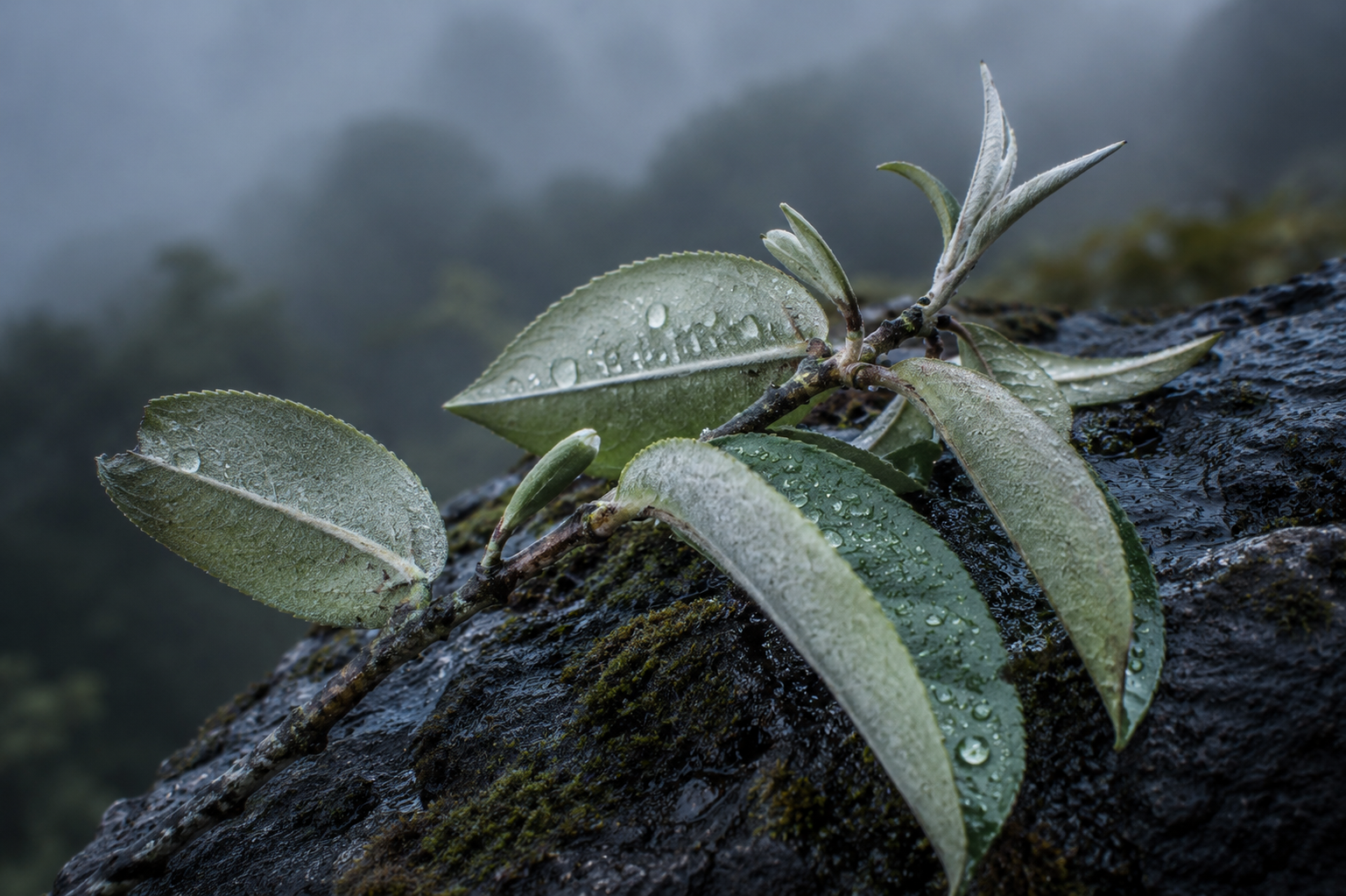
Shan Tuyet – “Snow Mountain” in Vietnamese – is an ancient heirloom variety of Camellia sinensis var. pubilimba that grows at 1,000–2,000 meters altitude in the northern highlands of Vietnam, primarily in Hà Giang province. The trees are between 80 and 800 years old. Their leaves are covered in fine white down that resembles snow, giving the variety its name. The polyphenol content in ancient Shan Tuyet tea reaches up to 45.7% – significantly higher than industrially farmed tea. These are not the same plant.
This article covers what makes Shan Tuyet botanically distinct, what the flowers specifically do in skincare, and how Sancha – a Vietnamese brand built from the ground up in Hà Giang – applies this ingredient.
Fast track:
- What makes Shan Tuyet different → The ingredient
- Tea flowers vs. tea leaves in skincare → Hoa Trà Shan
- Sancha brand and products → Sancha Vietnam
- Vietnamese skincare context → Vietnamese Skincare: The Complete Guide
What Is Shan Tuyet Tea?
Shan Tuyet (Camellia sinensis var. pubilimba) is an heirloom tea variety native to Vietnam’s northern highlands. It is classified as a distinct botanical variety – not a cultivar developed for commercial farming, but a wild-growing ancient plant that predates modern tea cultivation.
The trees grow in the mountain forests of Hà Giang, Yên Bái, and surrounding provinces, at elevations above 1,000 meters. The youngest trees are several decades old; the oldest are over 300 years, with trunks so large it takes two or three people to span them, often covered in white lichen in the freezing, mist-shrouded highland climate.
What makes it botanically distinct from commercial tea:
Shan Tuyet is produced from Camellia sinensis var. pubilimba, different from the more commonly found var. assamica and var. sinensis typically used in commercial tea production. The high-altitude growing conditions, deep root systems, and slow natural growth cycle produce a different compound profile than farmed lowland tea.
Hà Giang Shan Tuyet tea contains high polyphenol content, up to 45.7% – an important ingredient for its biopharmaceutical effects. Standard commercial Camellia sinensis typically contains 15–25% polyphenols. The difference is not trivial – polyphenols are the primary active compounds responsible for the antioxidant, anti-inflammatory, and photoprotective properties that make tea useful in skincare.
Cultural significance: Shan Tuyet is not an obscure ingredient discovered for marketing purposes. It is revered as “the best tea in Vietnam” and commands some of the highest prices in the Vietnamese tea market, with premium varieties reaching 1,500,000–2,500,000 VND per kilogram. The tea was served at a diplomatic ceremony between Vietnamese and Chinese heads of state in 2017. It has EU Organic certification and OCOP (One Commune One Product) 5-star status.
The tea is harvested by the Red Dao ethnic minority community, following a meticulous five-step manual process – hand-picked at dawn between 5:00 and 9:00 AM to ensure succulent buds, then naturally withered on bamboo mats, fixed by hand at up to 150 °C to preserve the white down layer, rolled, and sorted by tea masters.
Hoa Trà Shan: Tea Flowers vs. Tea Leaves in Skincare
Most tea-based skincare uses leaf extract. Sancha uses the flowers – hoa trà Shan (Shan tea flowers) – which is a distinct ingredient with a different compound profile.
Tea flowers (Camellia sinensis flowers) have a lower caffeine content than leaves but a higher concentration of certain polyphenols, particularly flavonoids and saponins. They contain EGCG (epigallocatechin gallate) – the primary active catechin in green tea – alongside additional floral compounds, including volatile aromatics not present in leaf extract.
What the evidence says about Camellia sinensis in skincare:
Clinical formulations containing Camellia sinensis extract have produced measurable improvement in skin moisture (immediate and long-term) and improved skin microrelief – reduced skin roughness and enhanced skin smoothness, especially after 15–30 days of treatment.
Camellia Sinensis Leaf Extract is rich in antioxidants, which help protect the skin from free radicals and environmental stressors. It also has soothing properties that can help calm irritated skin and is generally well-tolerated across skin types.
Scientific literature on tea plant applications in cosmetics highlights its antioxidant, anti-hyaluronidase, anti-inflammatory, photoprotective, and blood vessel-sealing properties – as well as hair-strengthening effects.
The anti-hyaluronidase activity is worth noting specifically: hyaluronidase is an enzyme that breaks down hyaluronic acid in the skin. Inhibiting it helps maintain skin hydration and firmness – a different mechanism from simply adding hyaluronic acid to a formula.
What the evidence doesn’t fully support: tea extract is not equivalent to retinol, AHAs, or clinical brightening actives. It’s a well-evidenced soothing, antioxidant, and barrier-supportive ingredient – not an aggressive treatment for pigmentation or deep wrinkles. The distinction matters for setting realistic expectations.
Why the Shan Tuyet flower specifically may differ from generic green tea extract: the higher polyphenol baseline of ancient-tree Shan Tuyet (up to 45.7% vs. 15–25% in commercial tea) suggests that extract derived from this variety could contain more active compounds per unit weight. This has not been formally studied in the context of topical cosmetics specifically – the polyphenol data comes from tea quality research, not cosmetic efficacy trials. But the botanical difference is real.
Sancha Vietnam: The Brand Built Around Hoa Trà Shan
Sancha is a Vietnamese skincare brand built from an unlikely starting point: a government-funded science and technology project in Hà Giang province.
Thanh Son Company Limited, based in Phuong Do Commune, pioneered the application of science and technology to produce pharmaceutical cosmetics from ancient Shan Tuyet tea. The company launched the Sancha cosmetic brand from a national science and technology program: “Application of science and technology to produce cleaning, antibacterial, and beauty products from ancient Shan Tuyet tea peels of Tay Con Linh, Hà Giang” – classified as Excellent by the Provincial Science and Technology Project Acceptance Council.
The founding story is relevant for credibility. Sancha is not a branding exercise built around a borrowed ingredient – it was created by a company that has been extracting and processing Shan Tuyet tea scientifically for years before entering cosmetics. The ingredient origin is genuine.
The Product Range
Sancha’s current skincare range is small – five products – all built around Hoa Trà Shan as the main ingredient:
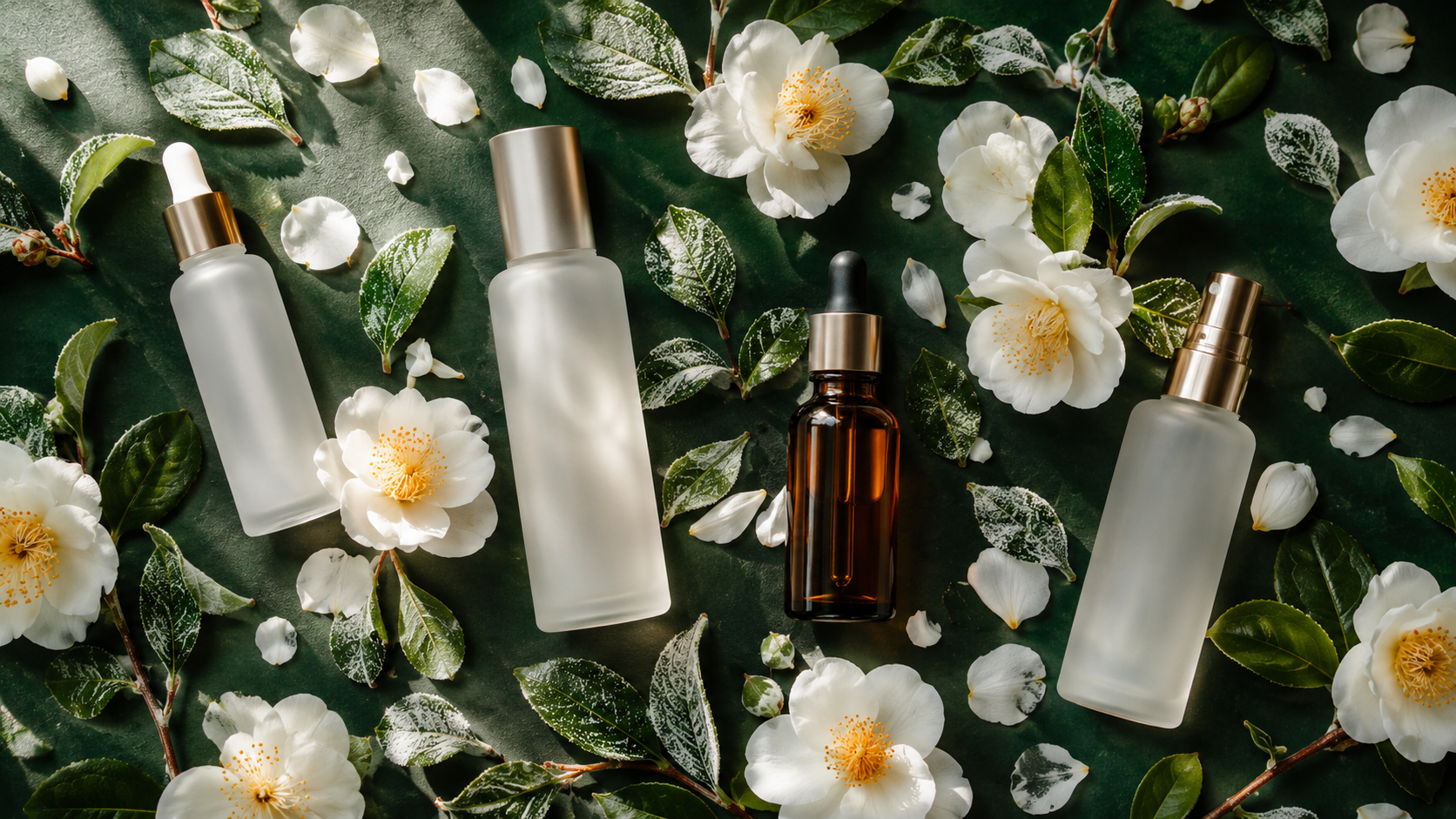
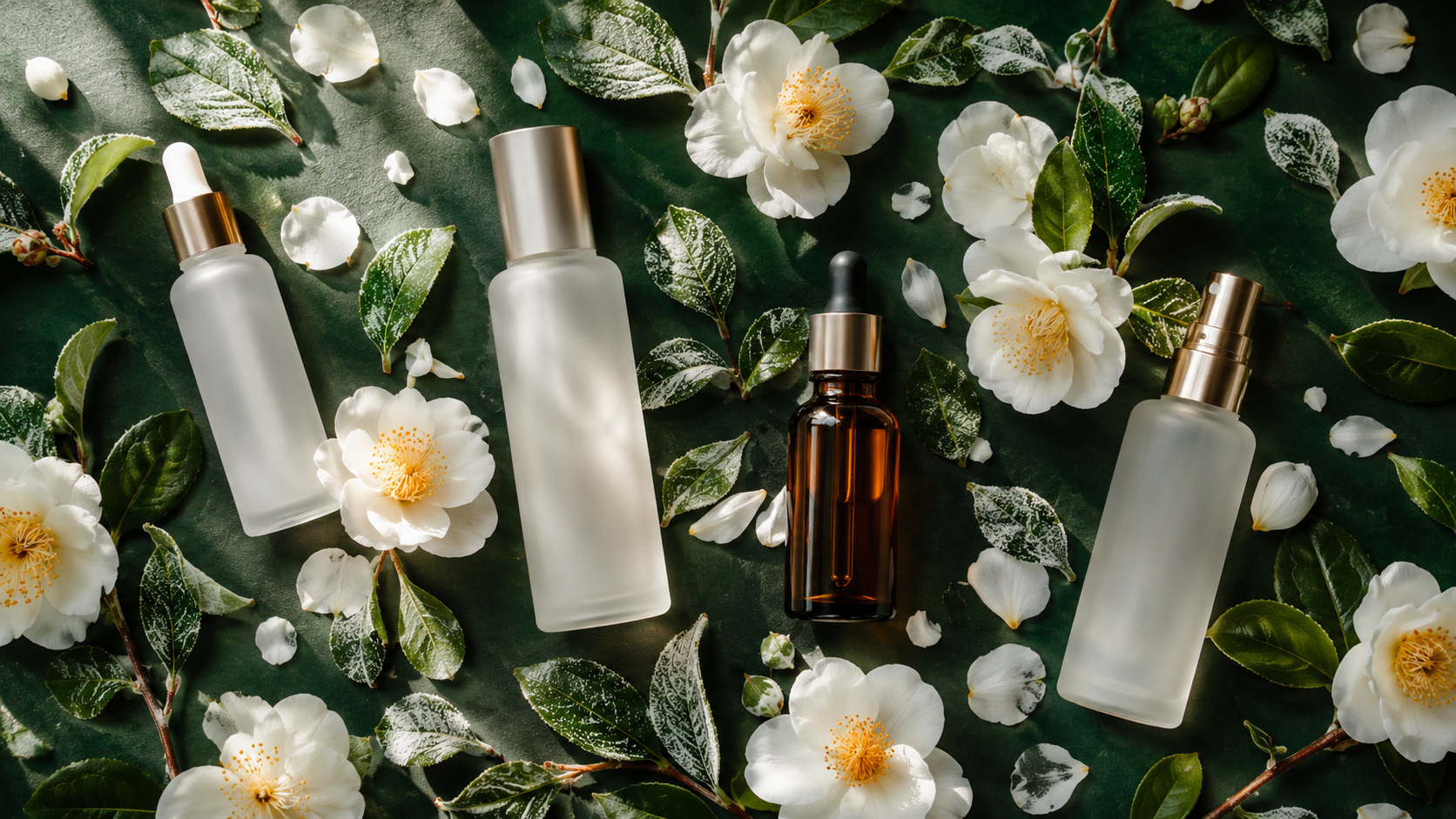
Gel Rửa Mặt Shan Tuyết (Shan Snow Cleanser) – 250 ml, 370,000 VND. A gel cleanser with Shan tea flower extract. Sulphate-free positioning, designed for gentle daily cleansing. The tea flower extract contributes antioxidant and mild antibacterial activity to the cleansing formula.
Toner Dịu Da Hoa Trà Shan (Shan Tea Soothing Toner) – 168 ml, 340,000 VND. The brand’s primary hydration and soothing step. Tea flower extract as a hero active, positioned for sensitive and reactive skin. Given the anti-inflammatory evidence for Camellia sinensis, the soothing positioning is well-reasoned.
Xịt Dưỡng Hoa Trà Shan (Shan Tea Nourishing Mist) – 100 ml, 360,000 VND. A face mist throughout the day. The spray format suits humid-climate use – a quick hydration refresh without disrupting SPF or makeup. The Shan tea flower extract in mist format provides antioxidant protection during outdoor exposure.
Gel Rửa Mặt Shan Tuyết (Snow Tea Cleanser variant) – a second cleanser variant in the range, distinguished by formula rather than ingredient.
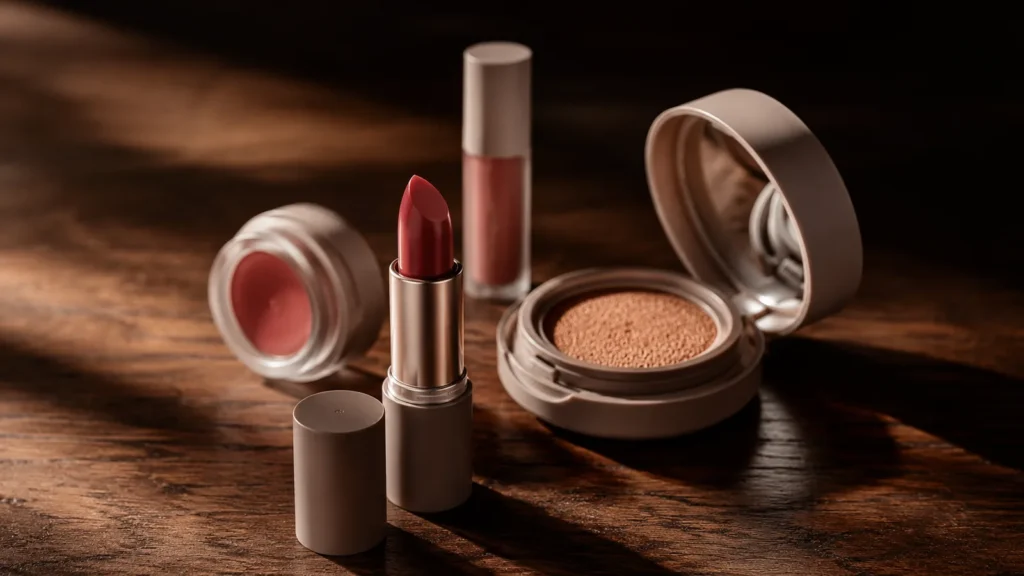
Bé Blush — 8.5g, 300,000 VND. A makeup product (blush) that sits outside the skincare range. Worth noting as a sign of where the brand is expanding, but not the focus here.
Pricing context: At 340,000–370,000 VND (~$12–14 USD) per product, Sancha is positioned at the premium end of Vietnamese domestic skincare – above Cocoon and Decumar, in the range where Vietnamese consumers are also considering imported Korean alternatives. The premium reflects the raw ingredient cost – ancient Shan Tuyet tea is significantly more expensive than standard tea extract.
Where to buy: sanchavietnam.com (direct), Shopee Official Store. Primarily domestic Vietnamese distribution – no international storefront as of early 2026.
How Shan Tea Fits Into a Vietnamese Skincare Routine
Tea flower extract is a cooperative ingredient – it layers well with most actives and doesn’t compete with them.
Routine placement: after cleansing, before heavier serums or treatment actives. The Sancha Toner fits naturally in the first hydration step – apply to damp skin after cleansing, pat in with hands.
Works well with: niacinamide (complementary barrier-support mechanisms), and centella (both are anti-inflammatory; the combination is additive), and SPF (the antioxidant activity from tea polyphenols is most relevant when paired with UV protection, not instead of it).
For oily or acne-prone skin: the antimicrobial properties of Camellia sinensis extract are relevant here. Tea flower extract is non-comedogenic and doesn’t add occlusion – appropriate for humid tropical climates where occlusive ingredients can trigger breakouts.
Realistic expectations: consistent daily use over 2–4 weeks for hydration and texture improvement, based on clinical data. Not a fast-acting treatment active.
The Bigger Picture: Tea in Asian Skincare Traditions
Tea has been used in Vietnamese, Korean, Japanese, and Chinese skincare traditions independently – not as a borrowed trend but as a parallel discovery across cultures that all happened to cultivate Camellia sinensis.
Korean brands (INNISFREE’s Green Tea line, COSRX’s various centella and tea formulas) use standardized Camellia sinensis extract from Jeju Island tea cultivation. Japanese brands use tea extract in anti-aging and UV protection formulas. Chinese brands draw on a deep tea culture tradition.
What’s different about the Vietnamese Shan Tuyet application is specificity: a named ancient variety, a documented growing region, and a traceable supply chain from 200-year-old trees in the highlands of Hà Giang. This is ingredient storytelling with genuine substance behind it – the kind that can support brand-building with international consumers who increasingly want to know where ingredients come from, not just what they do.
For the broader Vietnamese ingredient landscape: Centella Asiatica in Vietnamese Skincare | Turmeric in Skincare
FAQ
Is Shan tea the same as green tea extract in skincare? No – not exactly. Shan Tuyet is a distinct botanical variety (Camellia sinensis var. pubilimba) with a different polyphenol profile than commercial Camellia sinensis var. sinensis or var. assamica. The polyphenol content of ancient Shan Tuyet trees can reach 45.7%, compared to 15–25% in standard commercial tea. The active compounds are in the same class – polyphenols, catechins, EGCG – but in different concentrations and with additional floral compounds when the flowers are used rather than leaves.
Can Sancha products be bought outside Vietnam? Not through an official international channel as of early 2026. The brand sells through sanchavietnam.com and Shopee Official Store – both primarily Vietnamese domestic channels. International buyers would need to use forwarding services or Vietnamese diaspora networks.
Is tea extract safe for sensitive skin? Generally yes. Camellia sinensis extract has a low irritation profile and is one of the better-tolerated botanical actives for reactive skin. The main caution is fragrance – check the full INCI list if you are fragrance-sensitive, as some tea-based formulas include essential oils or fragrance alongside the extract.
What’s the difference between tea leaves and tea flowers in skincare? Tea leaves are the standard ingredient in most tea-based skincare. Tea flowers have a lower caffeine content but a different flavonoid and saponin profile, including aromatic compounds not present in leaves. Sancha specifically uses hoa trà Shan (the flowers) rather than leaf extract – a formulation choice that differentiates their products from generic green tea extract.