A LE SSERAFIM member, an ultrasonic wand, and a promise of “glow-up.” The one thing the campaign leaves out is how much a home ultrasound device can actually do.
THOME Twenty Up is the device behind that campaign – a compact ultrasonic skincare gadget from the Korean beauty-tech brand THOME, fronted by Kazuha of LE SSERAFIM and aimed squarely at consumers in their twenties. It is a well-designed, accessible product riding a large marketing push, and it sits in one of the most overhyped categories in skincare. The useful question is not whether it’s real – it is – but what it realistically does and whether that’s worth paying for. This is an honest read on both.
Fast track:
- What it actually is → The device
- What “droplet ultrasound” means → The technology
- Does it work? → The evidence
- The real story → Kazuha and the Gen-Z play
- Should you buy it? → The verdict
- Where devices fit → Asian Skincare Routine
What THOME Twenty Up Actually Is
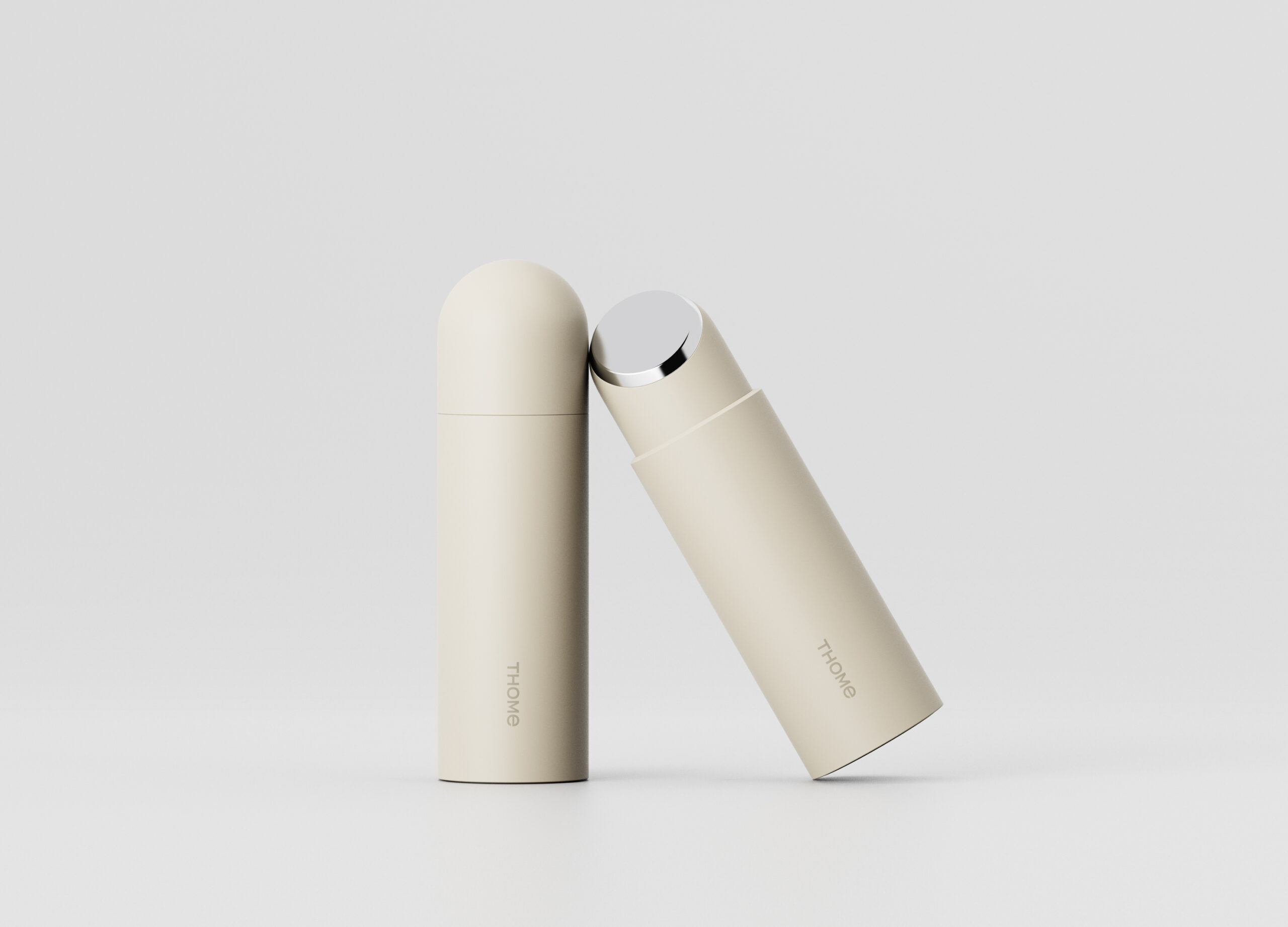
First, a correction worth making because the naming causes confusion: THOME is the brand – a Korean beauty-tech and skincare company – and Twenty Up is one of its devices, not a brand in its own right. The Twenty Up is a compact, handheld ultrasonic device, sold in soft “Nudy” beige and pink colorways, including a Kazuha Pick edition tied to the campaign.
Its positioning is more modest than the ultrasonic category usually implies. THOME markets Twenty Up around low-irritation design and “droplet ultrasound technology,” with two main use cases: soothing and barrier care and improving makeup adherence and wear. It is explicitly aimed at younger consumers dealing with stressed, imbalanced skin from irregular routines – a cooling, prepping, everyday device, not an anti-aging or skin-tightening tool. That distinction matters, because it is the tightening claims that get the ultrasound category into trouble, and Twenty Up is not really making them.
The Technology, Translated
“Droplet ultrasound” is marketing language; the underlying category is low-frequency therapeutic ultrasound, the type used in at-home devices. It operates at low intensity by design – capped well below professional equipment to keep it safe for unsupervised home use.
This is the crucial engineering point. At-home ultrasound is a fundamentally different thing from the clinical HIFU or MFU treatments people associate with “ultrasound skin tightening.” Those clinical systems are focused, higher-intensity, and imaging-guided, and they have real evidence for structural skin change. A handheld home device runs discounted that intensity – which is exactly why it’s safe to use yourself, and exactly why it cannot do what a clinic machine does. What a low-intensity home ultrasonic device can plausibly deliver is gentle stimulation, a cooling sensation, temporary surface hydration or plumping, and possibly slightly better absorption of whatever product you apply underneath. Those are the honest mechanics.
Does It Actually Work?
Here is where the skepticism has to be evidence-based rather than reflexive. At-home beauty devices as a category are not snake oil – some modalities have decent published support, particularly radiofrequency for wrinkles and IPL for hair removal. But the research base is thin across the board: systematic reviews repeatedly note small sample sizes, short follow-up periods (twelve weeks at most), and very few randomised controlled trials.
Within that category, at-home ultrasound is the weakest-evidenced modality – dermatologists writing on the topic openly call it the most overhyped. Home ultrasonic devices are consistently described as supporting a maintenance routine rather than producing structural change, and are not a substitute for in-office treatment.
To be fair to Twenty Up, though, it isn’t claiming structural change. Its stated benefits – cooling relief, momentary hydration, a smoother base for makeup, a soothing barrier-care ritual – are the short-term, largely cosmetic effects that are actually the more achievable end of the spectrum. So the honest verdict on efficacy splits cleanly: the modest things Twenty Up claims are plausible and mostly temporary, while the dramatic, lasting transformation that people tend to project onto “ultrasound” is not supported by the evidence. Judge it as a pleasant cooling-and-prep ritual, and it delivers. Expect it to remodel your skin, and it won’t – nor does it promise to.
The Real Story: Kazuha and the Gen-Z Device Play
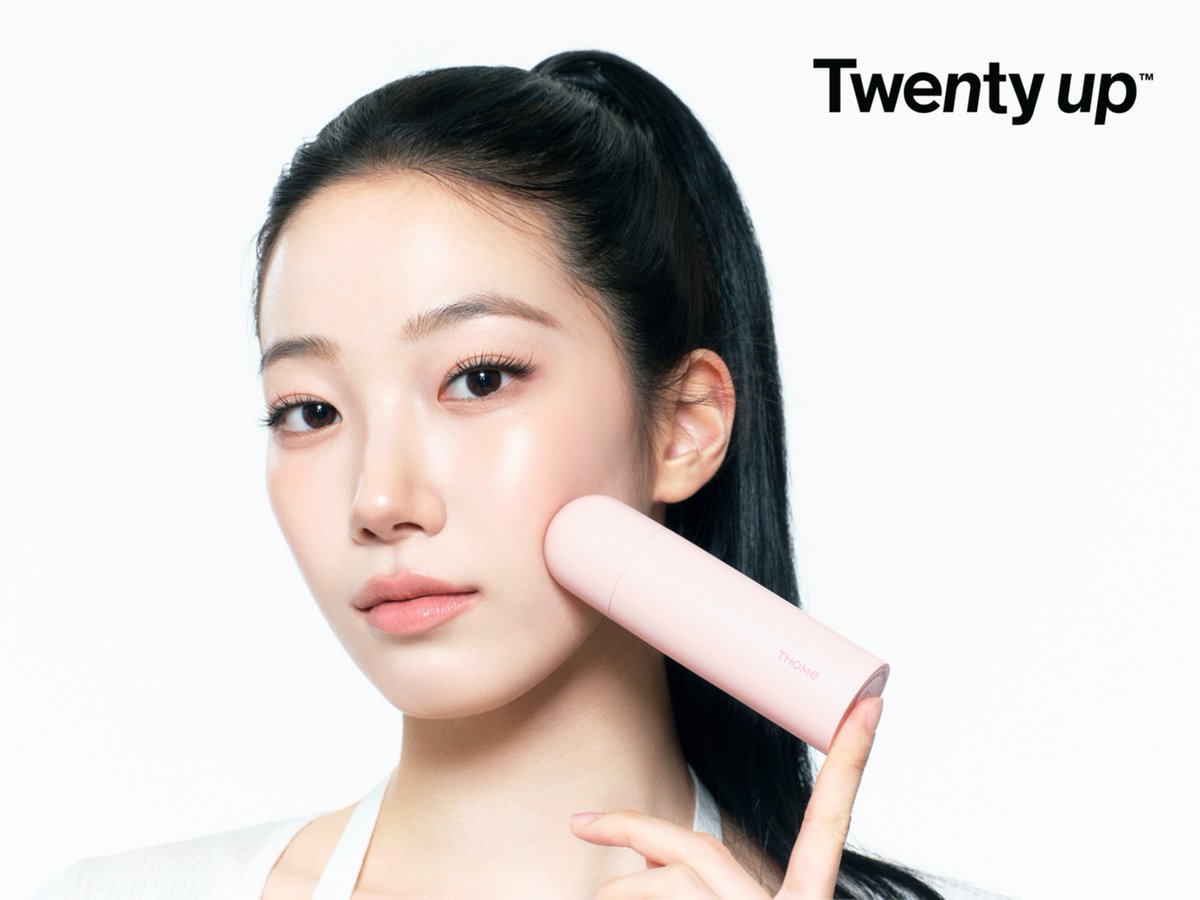
The more interesting story here isn’t the device – it’s the marketing. THOME appointed Kazuha as the campaign model for Twenty Up (a role narrower than a full brand ambassadorship, though the campaign is substantial), rolling it out from late April 2026 across Instagram, X, and YouTube under the concept “For your glow-up journey,” backed by out-of-home advertising.
The significance is the category signal, not the endorsement itself – a point covered in our earlier reporting on the THOME Kazuha campaign. Using a major K-pop figure to front a beauty device is a deliberate move to reposition the whole product type: away from a specialist aesthetic tool, toward an everyday item in a young consumer’s routine, sitting next to their serum rather than in a clinic. That is a smart marketing play worth understanding exactly that. It also means the device’s visibility is being driven by celebrity reach, not clinical results – which is precisely why a clear-eyed read on what it does is useful.
Should You Buy It?
THOME Twenty Up is a genuinely well-made, accessible, pleasant-to-use device, thoughtfully aimed at Gen Z and sold based on a strong campaign. Whether it’s worth buying depends entirely on what you expect from it.
Buy it if you enjoy a cooling, soothing prep ritual, you like the design, and – importantly – your fundamentals are already handled. Skip it if you expect it to transform your skin, replace a routine, or deliver clinic-grade tightening, because the evidence for home ultrasound does not support that. And if you’re early in building a routine, a device is the last thing to add, not the first. The unglamorous fundamentals – a cleanser, a moisturizer, and above all, daily sunscreen – do far more for your skin than any gadget, and no ultrasonic wand compensates for skipping them. A device is a nice-to-have on top of a working routine, and it should be judged as one.
FAQ
What is THOME Twenty Up? It is a compact ultrasonic home beauty device from the Korean brand THOME, positioned for consumers in their twenties around soothing, cooling, hydration, and makeup prep. It became widely visible through a 2026 campaign fronted by Kazuha of LE SSERAFIM.
Does THOME Twenty Up actually work? Its modest claims – cooling, temporary hydration, smoother makeup application, and better product absorption – are plausible but largely short-term. There is no strong evidence that home ultrasonic devices produce lasting or structural skin change; at-home ultrasound is the least-evidenced device category.
Is Twenty Up the same as clinical HIFU? No. Clinical HIFU and MFU are focused, higher-intensity, imaging-guided treatments with real tightening evidence. Home ultrasonic devices like Twenty Up run at far lower intensity by design and cannot replicate those results.
Is Kazuha THOME’s brand ambassador? She served as the campaign model for the Twenty Up device, with the campaign launching in April 2026. That is a specific campaign role rather than a blanket brand ambassadorship.
Is a beauty device worth it for a beginner? Generally, no. The fundamentals – cleanser, moisturizer, and daily SPF – deliver far more than any device. A gadget like Twenty Up is best considered a nice-to-have added to an already-working routine, not a starting point.