The Korean ten-step routine was designed for Seoul winters. In Hanoi in July, it slides off your face by noon.
A Japanese skincare routine offers the opposite proposition – fewer, lighter layers built on hydration rather than accumulation. It happens to be far better suited to the heat and humidity of the tropics than the maximalist approach it is usually compared to. This is not an argument that Japanese skincare is inherently superior to Korean; it is an argument about climate. In a hot, humid environment, lightness wins, and J-beauty’s defining quality is lightness. This guide explains why, and gives you the practical, tropical-adapted version step by step.
Fast track:
- Why layering fails in heat → The humidity problem
- What “minimalism” really means → The philosophy
- The routine, step by step → The Japanese skincare routine
- The hydration step → Why it carries the routine
- Japan’s real edge → Sunscreen
- When it’s not the answer → Honest limits
- Full comparison → Asian Skincare Routine
The Humidity Problem: Why Korean Layering Struggles in the Tropics
Korea’s celebrated multi-step routine – essence, serums, ampoules, emulsions, sleeping masks – was developed in a temperate, four-season climate defined by cold, dry winters. Layering makes sense there: each thin coat traps moisture against skin that would otherwise dehydrate in freezing, arid air. The routine is a response to its environment.
Move that same routine into 35°C and ninety percent humidity, and the logic inverts. Stacked occlusive layers trap heat and sweat instead of moisture; products pill, slide, and refuse to absorb; skin that is already overproducing oil feels greasy and congested rather than nourished. What hydrates dry Seoul skin suffocates skin in tropical Hanoi. This is a climate mismatch, not a flaw in K-beauty – a point covered in full in our Asian skincare routine comparison. The tropical response is the opposite of layering: subtraction, which is exactly the logic behind a proper tropical-weather routine.
What “Japanese Minimalism” Actually Means
The popular shorthand is that J-beauty means three to five steps while K-beauty means ten. That is a useful simplification, but it is not quite accurate, and the inaccuracy matters.
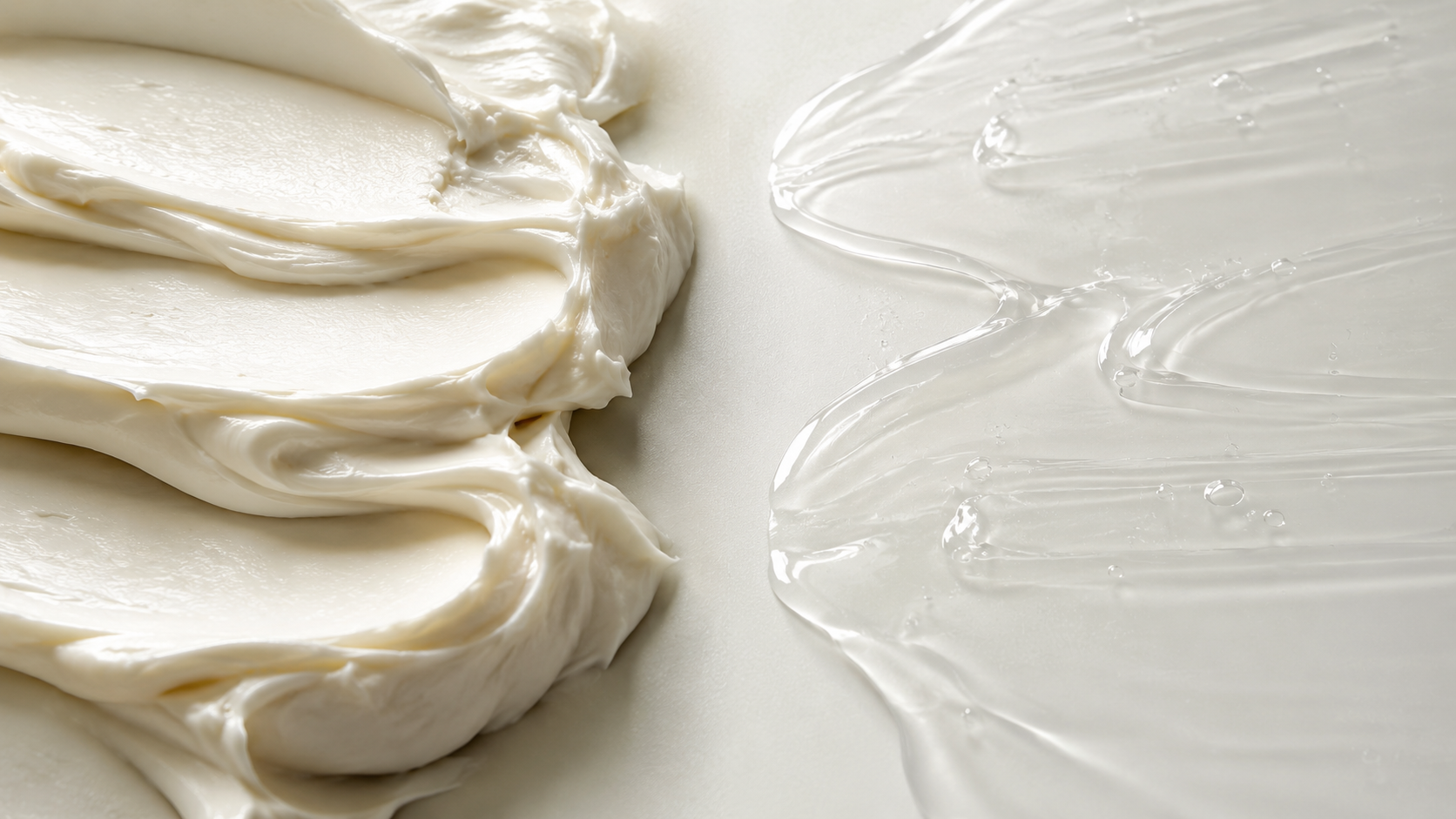
The real distinction is philosophy and texture, not raw step count. Traditional Japanese routines can involve layering too – pressing on multiple thin applications of a watery “lotion,” for instance. What separates J-beauty from K-beauty is not how many products you use but what kind: a discipline of restraint built on hydration first, on light, water-based textures pressed into the skin rather than rich creams piled on top, on letting a few well-chosen layers do the work. It is lightness as a principle. And it is that lightness – not a magic number of steps – that makes the approach suited to heat and humidity. It is the same “hydration first” ethos embodied by the products covered in our Hada Labo review.
The Japanese Skincare Routine, Step by Step
Here is a tropical-adapted version – lean in the morning, slightly fuller at night, and always adjustable to the day’s humidity.
Morning:
- Gentle cleanse – water alone or a mild foam. Don’t strip; you’re removing overnight sweat and oil, not degreasing.
- Lotion (hydrating toner) – the heart of the routine. This is the Japanese “lotion”: a watery, essence-like hydrator pressed in with the palms, not a Western astringent toner. One or two thin layers.
- Light serum or essence (optional) – a single lightweight active if you want one. Skip in peak humidity if skin feels balanced.
- Sunscreen – non-negotiable, every morning.
In humid conditions, a heavy emulsion or cream in the morning is usually unnecessary – the lotion plus ambient moisture does the job.
Evening:
- Double cleanse – an oil cleanser to dissolve sunscreen and sebum, followed by a gentle foam. This step is essential precisely because you wear SPF daily.
- Lotion – rehydrate the same way.
- Treatment serum – retinol, vitamin C, or a barrier essence, depending on your goals.
- Light emulsion or thin moisturiser – only if your skin needs it. Many oily and combination wearers in the tropics skip this entirely.
The governing principle is simple: layer thin hydration, not heavy occlusion, and scale the number of layers to the humidity – a little more in dry, air-conditioned interiors, a little less in the thick of the wet season.
The Hydration Step: Why It Carries the Routine
If one step defines the Japanese approach and explains why it works in the tropics, it is the lotion. Water-based, hyaluronic-acid-driven hydrators – the Hada Labo Gokujyun lotion being the archetype – are humectants, and humectants behave differently by climate.
In humidity, the humectant works with the environment rather than against it. With abundant moisture in the air, a hyaluronic acid lotion pulls water inward and holds it at the surface, delivering real hydration through a light, non-occlusive layer that never feels heavy. That is the ideal mechanism for tropical skin: effective moisture without the greasy weight of a cream. This is the step worth investing in and mastering – one or two palm-pressed layers – because it carries the routine. Everything else is support.
Sunscreen: Japan’s Genuine Edge
If the rest of this guide is about climate fit, sunscreen is where Japanese skincare is objectively, not just situationally, excellent. Japanese sunscreens – Anessa, Bioré UV Aqua Rich, Skin Aqua, and their peers – are widely regarded as among the best in the world: high protection in genuinely lightweight, elegant textures, with strong water and sweat resistance and no white cast.
For a tropical climate, that combination is decisive. In heat and humidity you sweat off sunscreen and must reapply through the day, so texture and wearability are not luxuries – they determine whether you actually reapply. A heavy, greasy sunscreen gets skipped; a weightless one gets reused. Japanese SPF is engineered for exactly this reality, which is why it dominates recommendations for humid weather. For specific picks, see our guide to the best sunscreen for humid weather. Whatever else you take from the Japanese routine, take the sunscreen.
When It’s Not the Answer
Honesty requires the counterweight: Japanese minimalism is not universally superior, and treating it as a rule rather than a climate response leads people wrong.
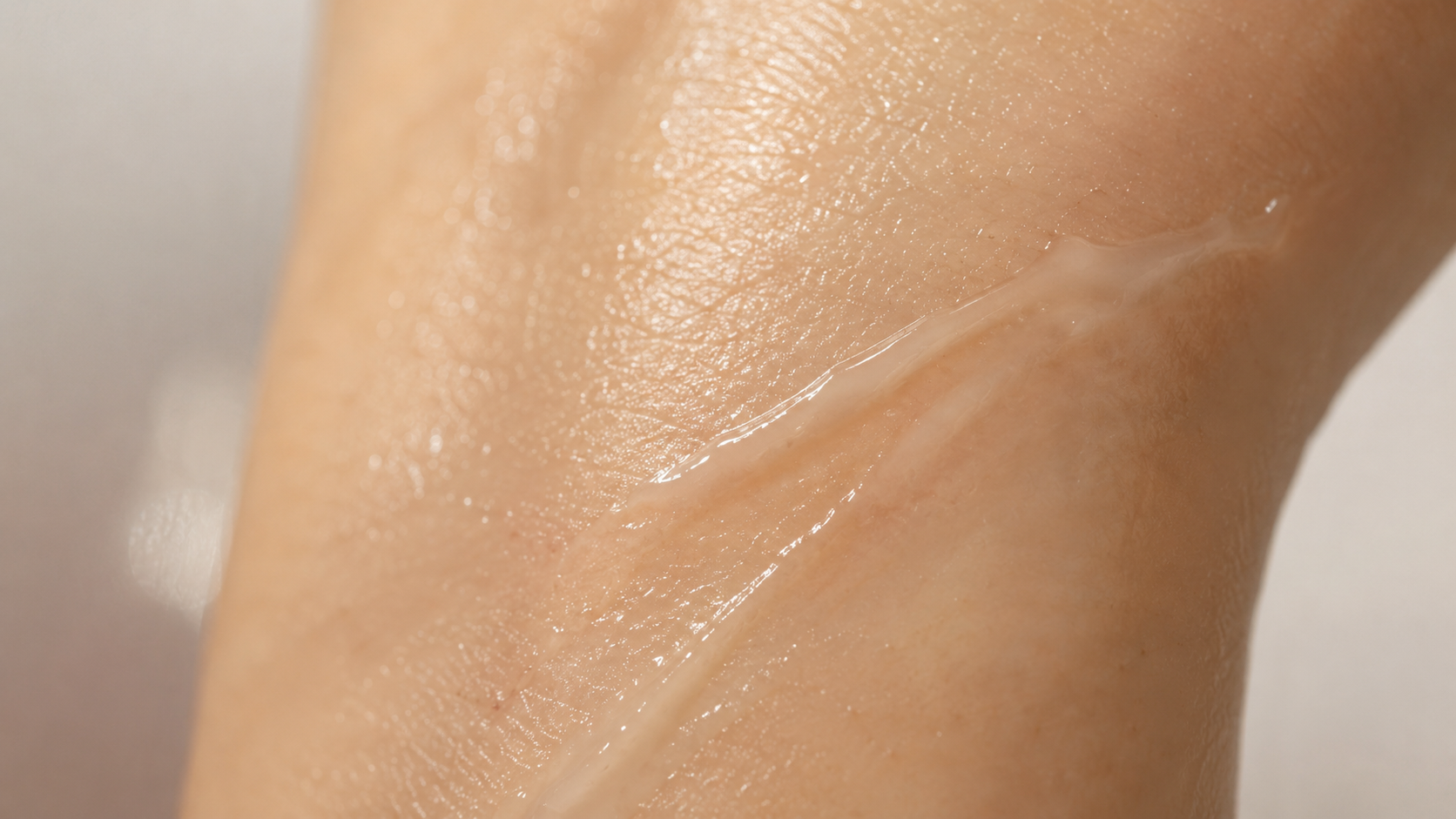
For dry or mature skin, and in cold or air-conditioned, low-humidity environments, more is more. There, the humectant-first approach needs sealing with richer layers, and a fuller routine – whether a more elaborate J-beauty regimen with emulsion and cream or K-beauty’s layering – serves better. Certain concerns also demand more than minimalism offers: dedicated acne treatment or high-strength actives are not a “keep it light” situation. The honest framing is not that the Japanese routine beats the Korean one, but that in heat and humidity, lightness wins – and J-beauty’s lightness happens to fit. Choose by your climate and your skin, not by national brand loyalty. The full comparison of Korean, Japanese, and Vietnamese approaches lays out where each one belongs.
FAQ
What is a Japanese skincare routine? A hydration-first, restraint-oriented routine – typically cleanse, hydrating lotion, an optional light serum, moisturiser, and sunscreen – built on light, water-based layers pressed into the skin rather than rich creams piled on top.
Is Japanese skincare better than Korean? Not universally. Japanese skincare’s lightness suits hot, humid climates, while Korean layering suits cold, dry ones. The better choice depends on your climate and skin, not on which country the products come from.
How many steps is a Japanese skincare routine? Commonly three to five, but that count is a simplification. The real distinction from Korean skincare is texture and philosophy – hydration-first and lightweight – rather than a fixed number of steps.
Why does a Japanese skincare routine work in humidity? Because it is light and built on humectant hydration. In humid air, water-based lotions draw moisture into the skin without heavy occlusion, so the routine hydrates without trapping heat and sweat the way stacked creams do.
What’s the most important step? Sunscreen, followed by the hydrating lotion – and Japan excels at both. If you adopt nothing else from the Japanese approach, adopt its sunscreen.