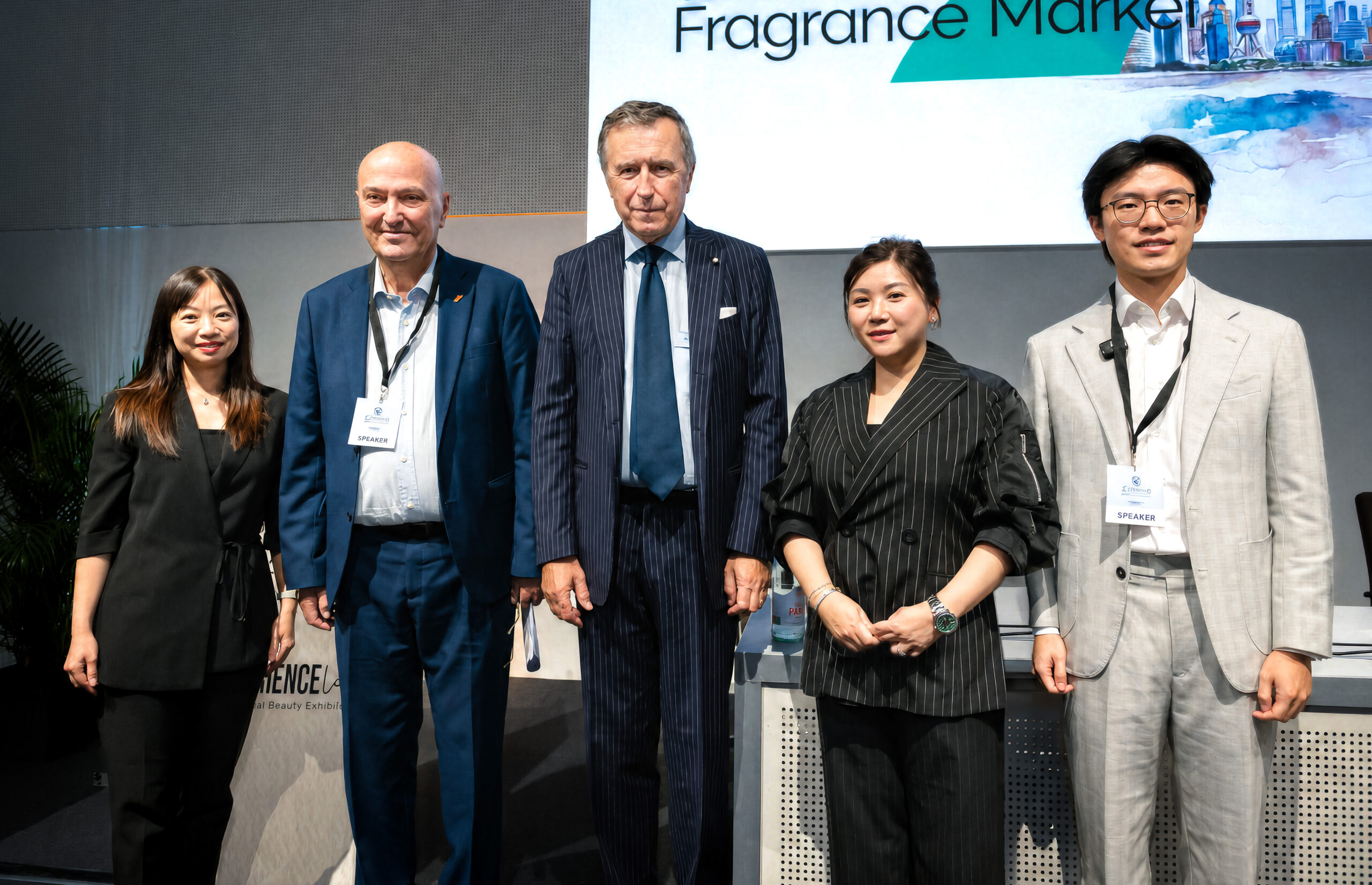
At Esxence 2026, the artistic perfumery event held at Milan’s Allianz MICO from June 3–6, Eternal Beauty Holdings ran a four-day campaign called “The Eternal Path to China.” The framing was market entry: how international fragrance brands move from regulatory registration to retail deployment in China. But the more telling detail is which brands Eternal was supporting – and why a distributor that already represents Hermès, Van Cleef & Arpels, and Chopard is building infrastructure around niche fragrance in China alongside its luxury portfolio.
Why Niche Fragrance in China, and Why Now
The numbers Eternal brought to Milan point at a specific segment. China’s fragrance market is projected to reach RMB 44 billion by 2028. More relevant is where the growth concentrates: according to the 2025 China Perfume & Fragrance Industry White Paper – released jointly by Eternal Group and Deloitte – niche and salon fragrance brands are among the fastest-growing segments on Tmall, with several leading names posting annual growth above 70%.
That is the gap Eternal is moving to occupy. Established luxury houses are already well-established in China; the niche segment is earlier in its market-entry journey, which is where dedicated distribution support adds the most value. A distributor positioning itself as the bridge for brands that lack their own market-entry capacity is addressing a real need – building the route to market that these brands cannot easily build alone.
The Hong Kong Gateway Argument
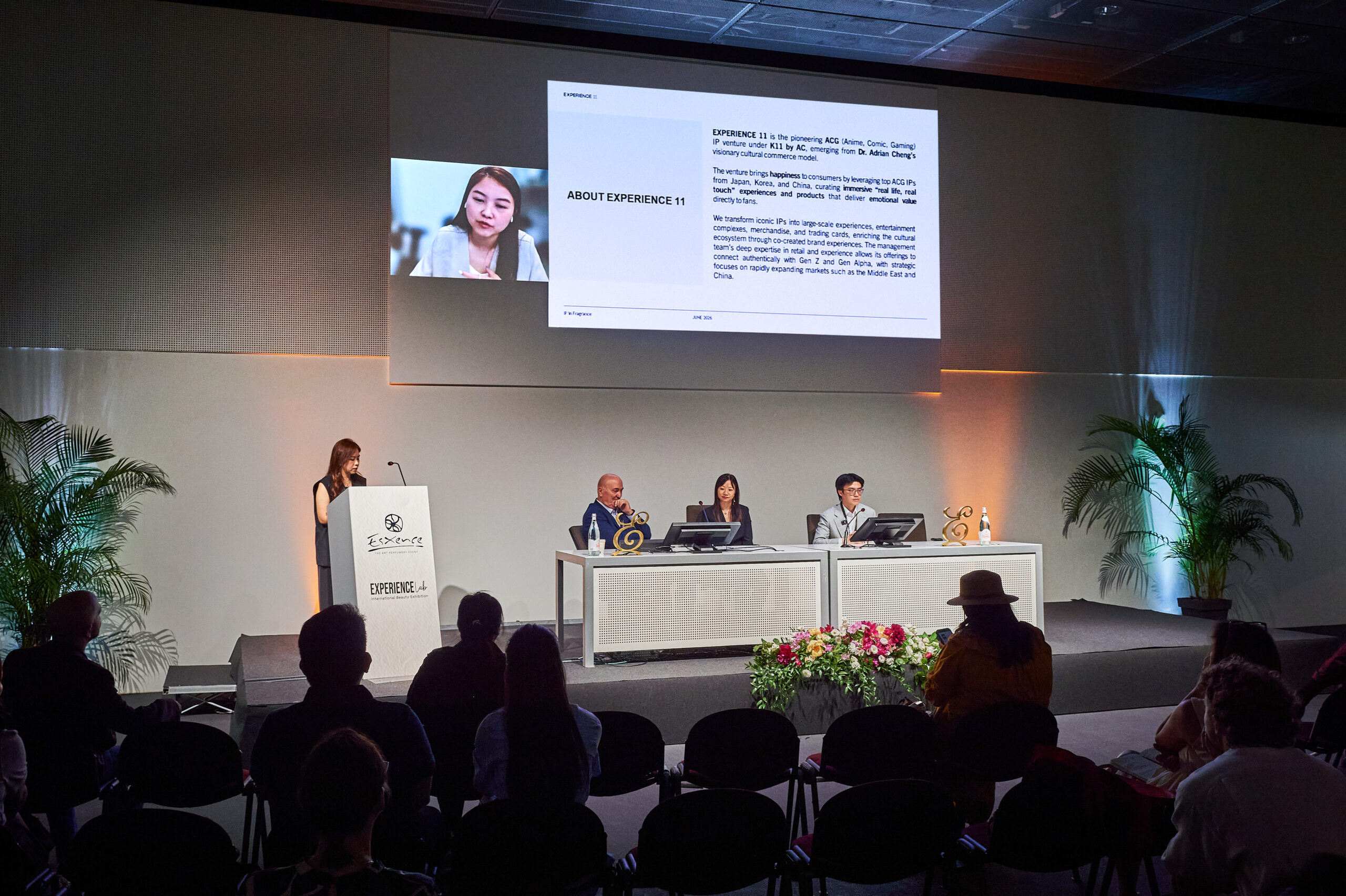
A significant part of the campaign was less about Eternal than about Hong Kong as an entry point. Stefano De Paoli, Italy Chief Representative of InvestHK, used the seminar to argue Hong Kong’s case as a launchpad for China entry – citing its financial-hub status, a common-law legal system aligned with international standards, and developed logistics infrastructure. Hong Kong government funding programs for incoming brands were part of the pitch delivered alongside the Hong Kong Productivity Council.
For Western niche brands, this is the practical hurdle the campaign was built to lower. The Chinese market carries real regulatory weight – compliance pathways, formula testing requirements, localization. Positioning Hong Kong as the staging ground reframes a daunting market-entry problem into a more familiar one, routed through a jurisdiction with English-language legal and financial systems.
What the Campaign Signals
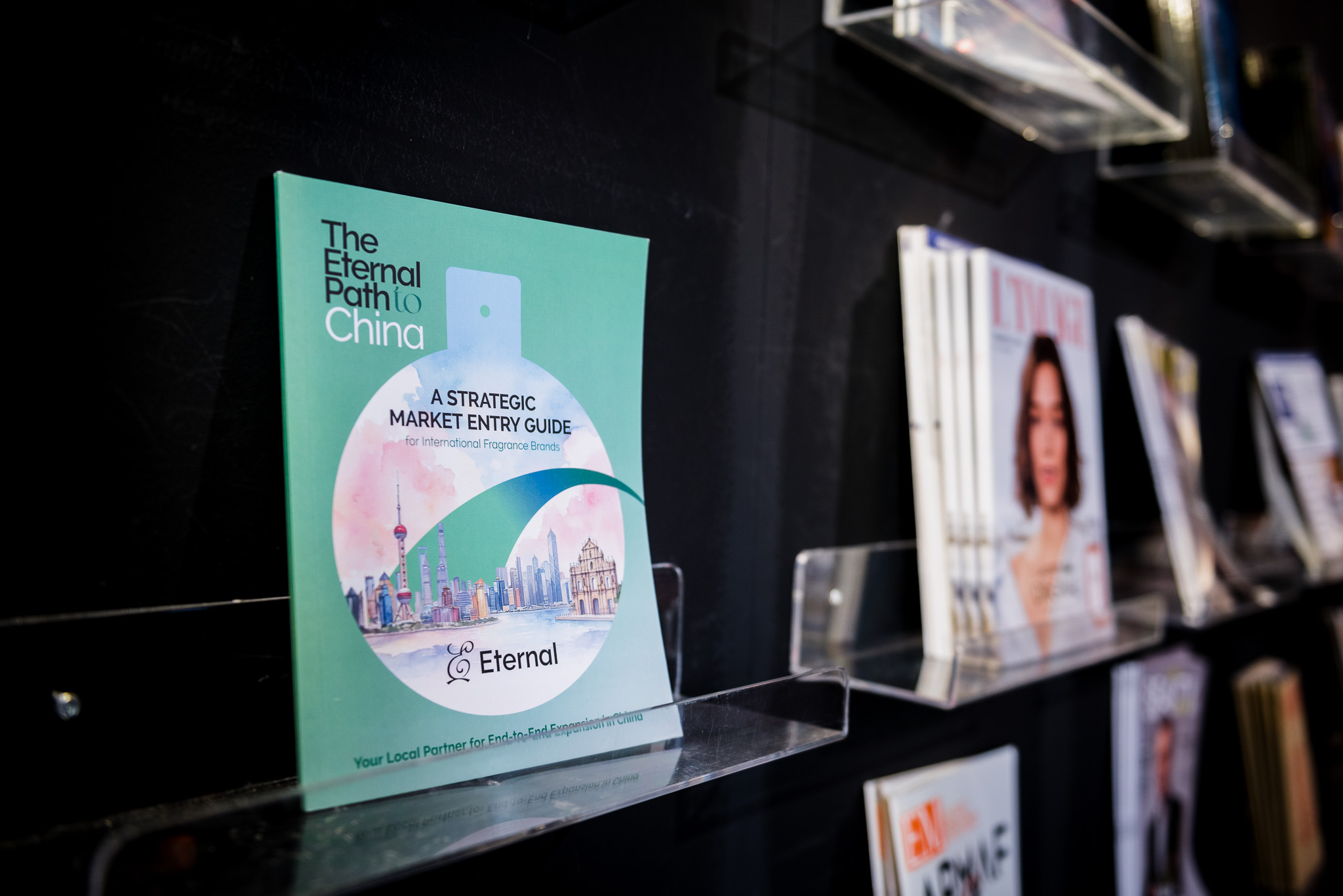
Read as a trade signal rather than a single event, the Esxence campaign confirms a pattern. Distributors and market-access intermediaries are increasingly packaging China entry – compliance, consumer knowledge, retail strategy – as a commercial service in its own right. Eternal’s “China Market Entry Blueprint,” a proprietary guide launched at the event covering compliance, localization, and retail channel strategy, is the productized form of that service.
For the wider Asian beauty market, the takeaway is directional. While established luxury houses remain a foundation of the China fragrance market, the niche and artisanal segment is where entry infrastructure is still being built. The companies that move first to serve it are helping define how that segment is served.