Sa Sa International Reports 30.9% Fourth-Quarter Sales Growth
The quarter points to a stronger rebound in Asian beauty retail, with Hong Kong and Macau again driving most of Sa Sa’s growth.
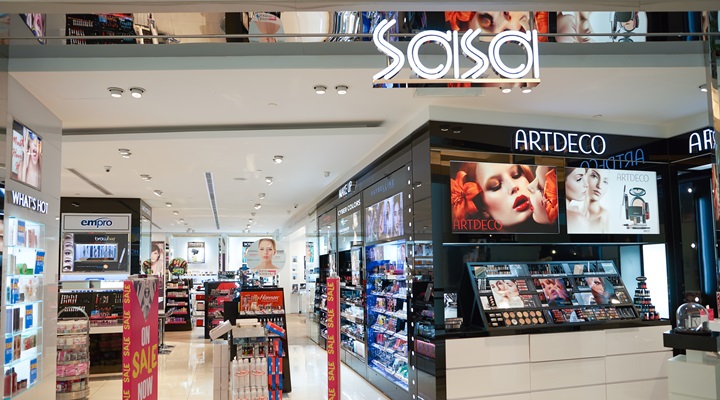
The quarter points to a stronger rebound in Asian beauty retail, with Hong Kong and Macau again driving most of Sa Sa’s growth.

The rollout shows K-beauty moving deeper into mainstream UK retail, with ingredient-led demand helping support the category’s expansion.
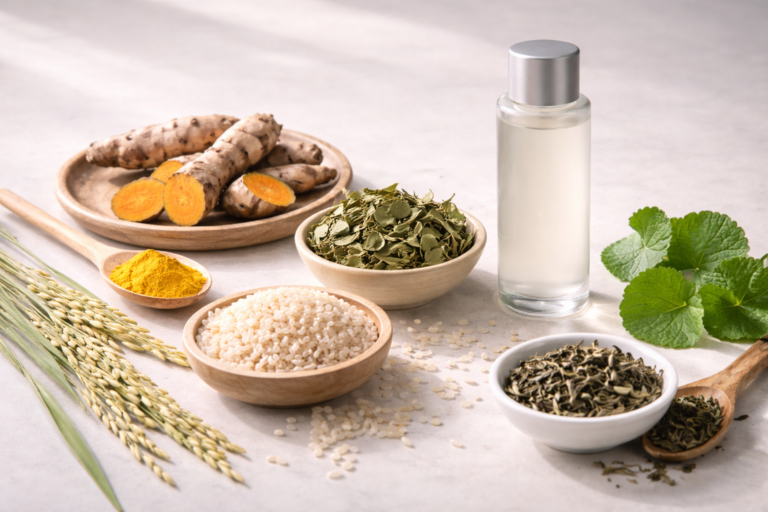
Vietnam’s beauty brands market themselves on naturalness. The words “thiên nhiên” (natural), “thuần chay” (vegan), and “organic” appear across product lines from Cocoon to Herbario to dozens of smaller independent brands – and in the Vietnamese market, none of these terms carries a legal definition, a certification requirement, or an enforcement mechanism. That regulatory gap…

In February 2026, Marico announced the acquisition of a 75% stake in Skinetiq – the Vietnamese D2C company behind skincare brand Candid – at a valuation of approximately $40 million, its second Vietnamese beauty deal in three years. The acquisition is worth examining not for what it tells us about Marico’s ambitions, which are now…
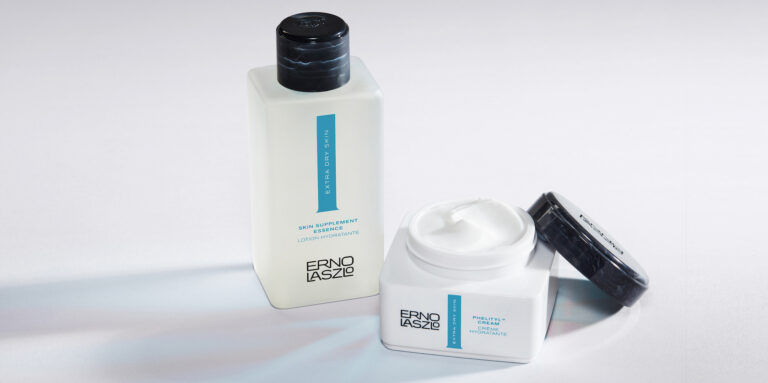
The acquisition gives Ruoyuchen full control of a heritage prestige skincare brand as Chinese beauty groups continue to use overseas deals to move further into premium skincare.
The partnership extends corporate support for early-stage beauty and wellness companies in Seoul, with commercialisation, overseas expansion and possible investment built into the programme.
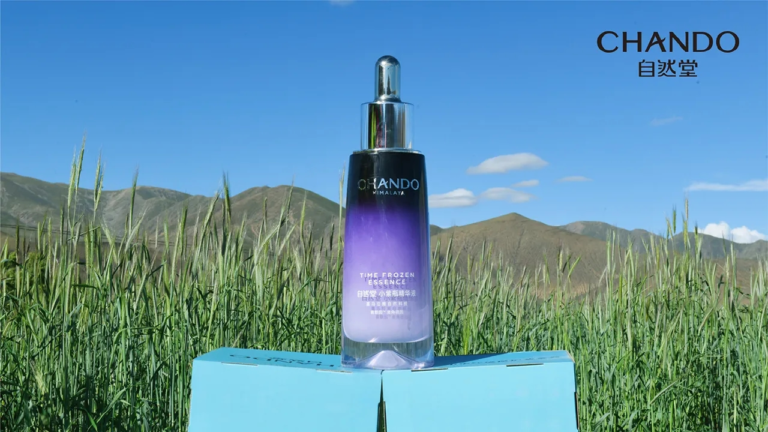
The refiling puts one of China’s largest domestic skincare groups back into the Hong Kong listing pipeline with a business still heavily concentrated around its flagship brand.

Brightening skincare is the most commercially significant category in Southeast Asia – and it is fracturing. What was once a single segment defined by the aspiration for lighter, more even skin tone is dividing into two distinct product logics with different consumers, different price points, and different evidence requirements. Vietnamese beauty brands are naturally positioned…
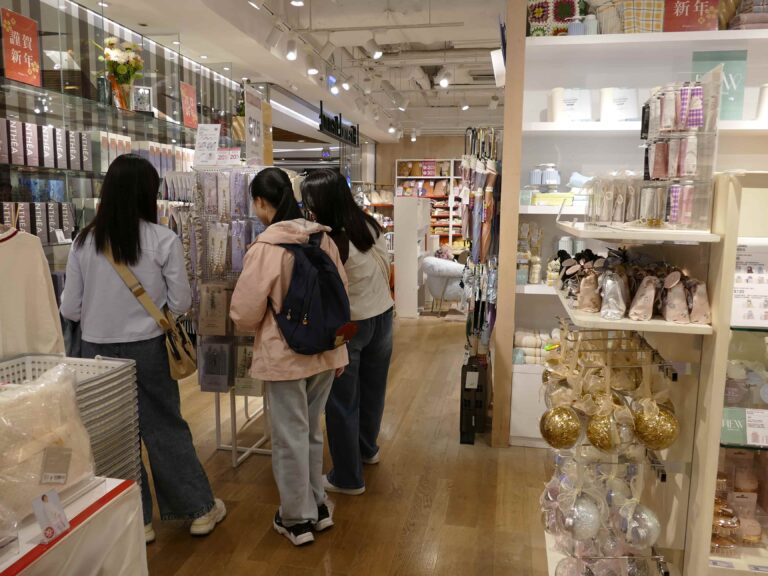
The February increase points to stronger momentum in Hong Kong beauty retail as visitor arrivals and broader consumer spending continue to recover.
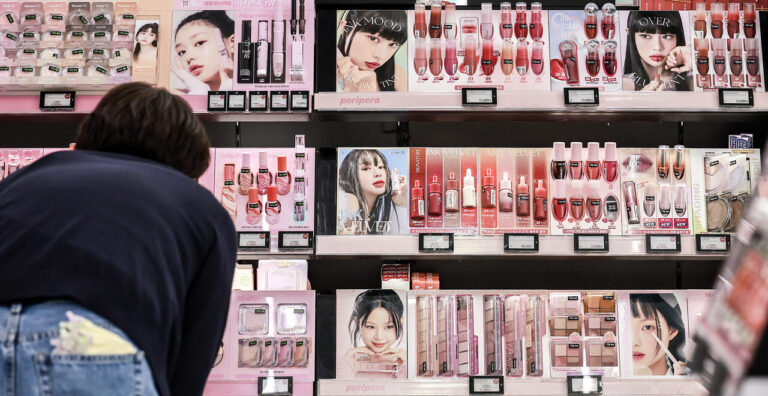
The shift marks a major change in K-beauty’s export map as growth in the U.S. offsets a prolonged decline in shipments to China.